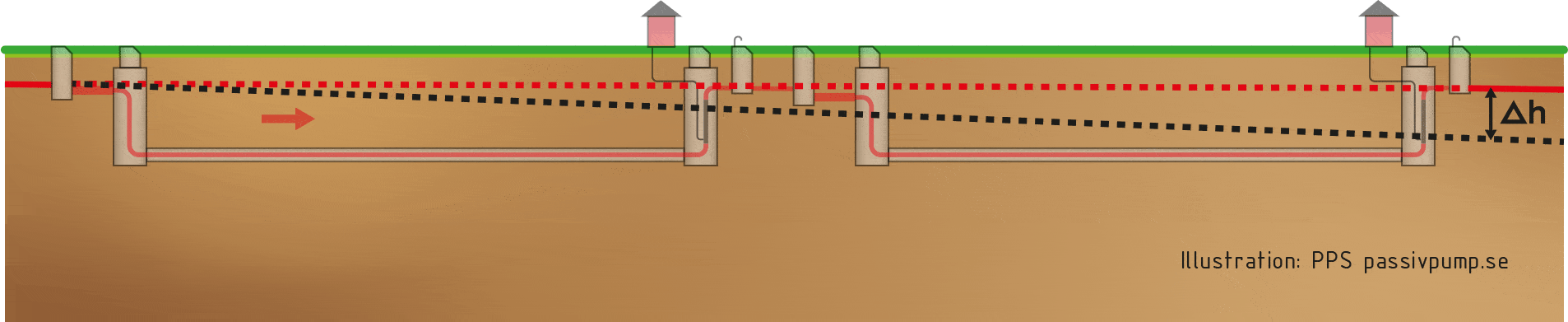
Common Applications for Passivpump Systems
Watercourses
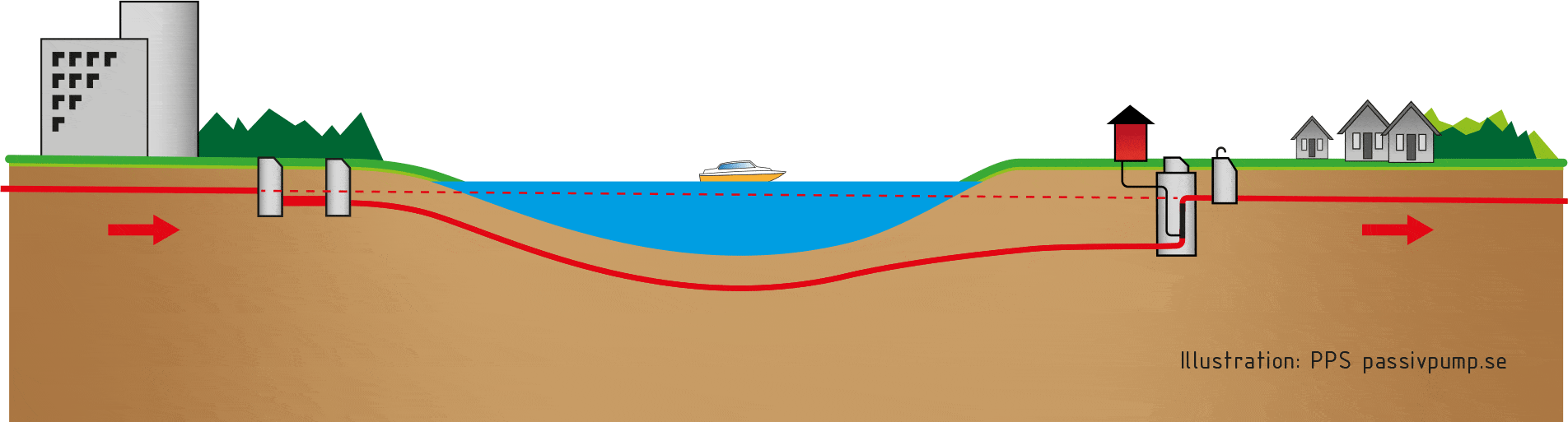
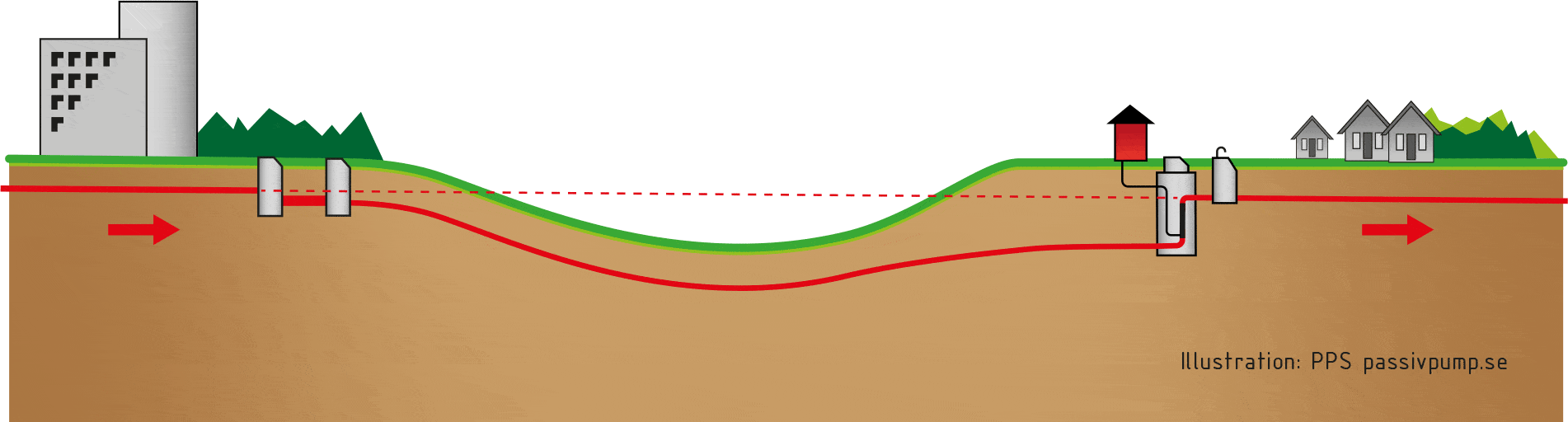
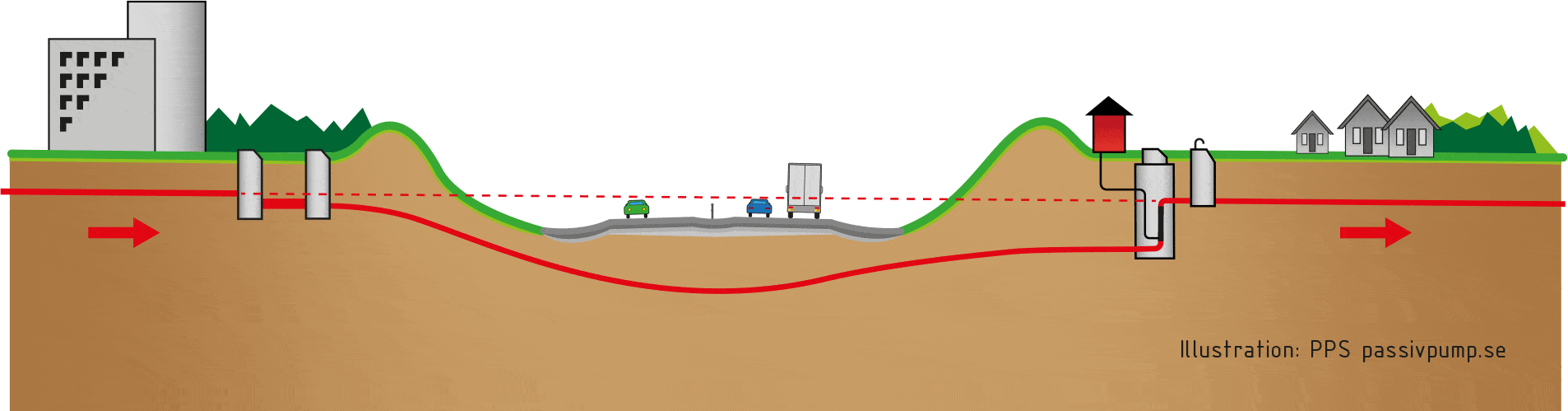
Terrain depressions
Road or pedestrian underpasses
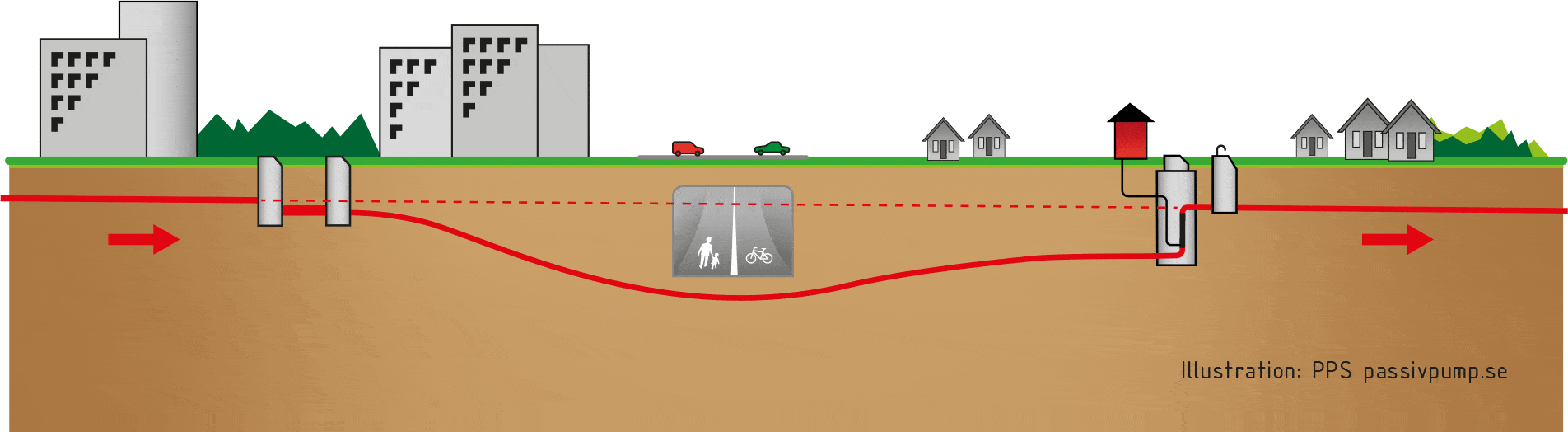
Motorways
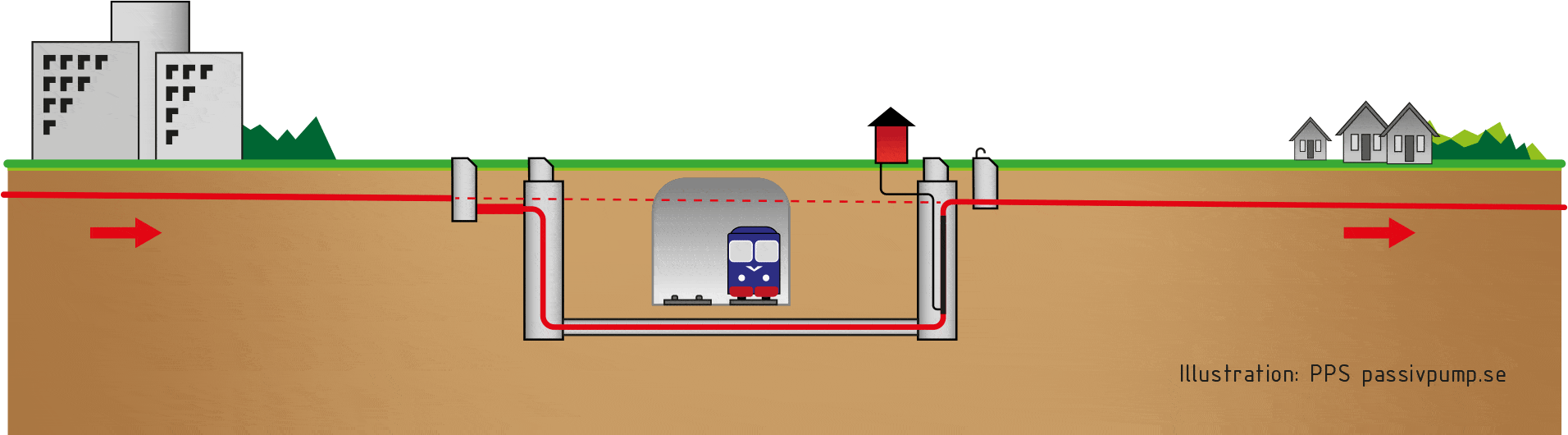
Railway tunnels or metro systems
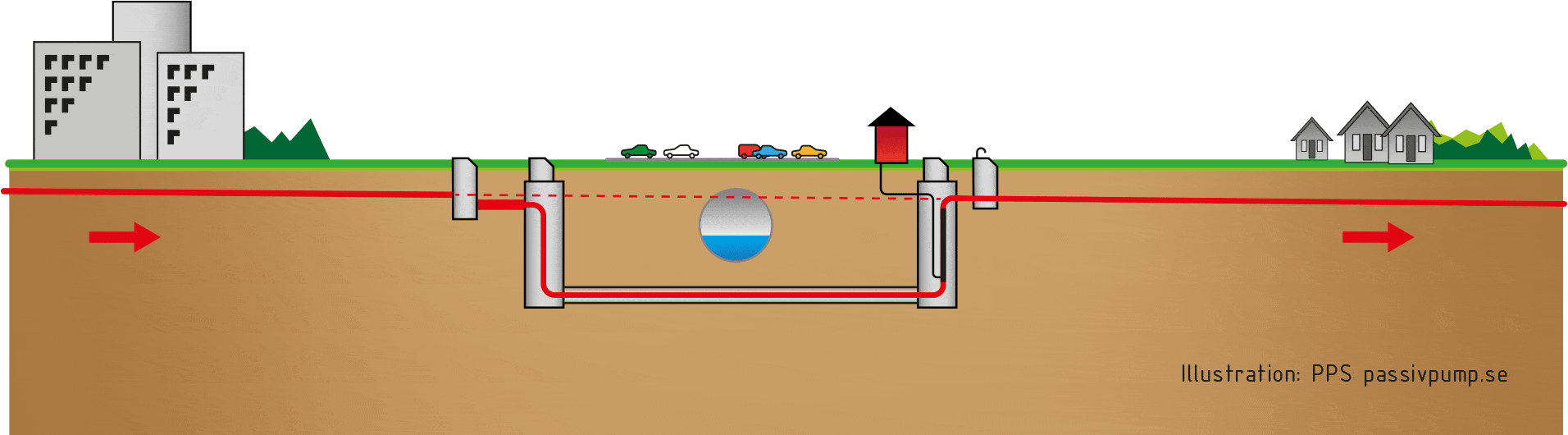
Stormwater culverts
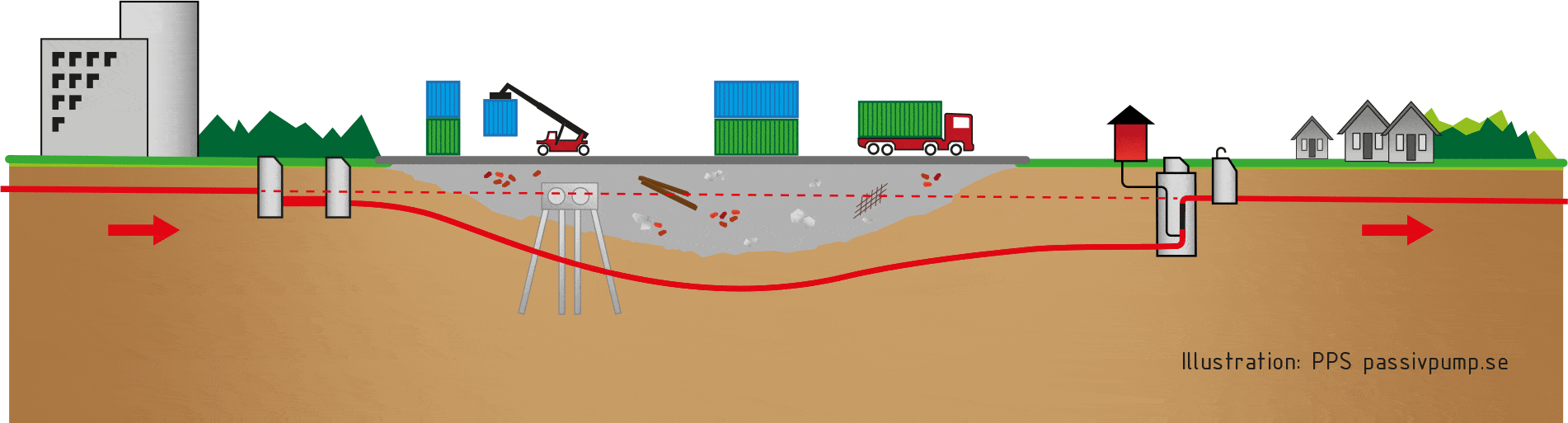
Pipeline construction in challenging ground conditions
When a planned pipeline route has a high groundwater level, a PPS can be a highly advantageous alternative. The system’s siphon pipeline simplifies excavation, installation, and backpressure challenges. The siphon section of a PPS is also insensitive to ground settlement.
Example
A common issue occurs when an existing gravity pipeline is located in an area of filled ground over settlement-prone clay, where continuous ground movement may occur. In such cases, a PPS can replace a conventional solution. The system’s siphon pipeline can, for instance, be directionally drilled through the clay beneath the fill material.
Reducing minimum slope requirements in gravity sewer systems
In cases where gravity sewers can be built but the static elevation conditions do not allow slopes sufficient for self-cleansing flow, a PPS (Passive Pump System) can be utilized. This may, for example, apply to a development area where low-lying parts would otherwise have to be excluded, or where a pumping station would be required to lift the water.
Since a PPS allows slopes as low as nearly 0 ‰, one or more sections of a pipeline can be built as PPS. The remaining sections can be constructed conventionally, with a minimum slope of approximately 6 ‰. It is also possible to connect several PPS units in series.
You can save money by avoiding deep excavation works – A PPS can be used to raise the level of downstream pipelines that would otherwise be expensive to build due to their great installation depth. This is especially advantageous in cases where the groundwater level is high along the pipeline route.
Example
A 300-meter-long sewer line with a 6 ‰ slope results in a height difference of 1.8 meters. If a PPS were used instead, the installation depth could be 1.8 meters deeper upstream, or alternatively 1.8 meters shallower downstream.